About Us
We Provide Services to The Following Cities and Towns in CA:





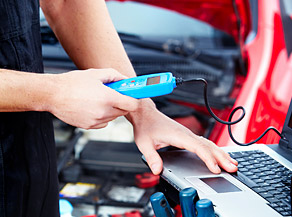 Our Mission is to provide the best Automotive Service Center and to be service and to be your choice for the Maintenance and Repair of Domestic or Import Vehicles. Our knowledgeable factory trained experts are able to diagnose...
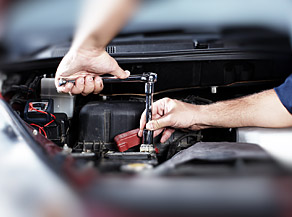 Our Service Technicians are ASE Certified in Diagnosing, and Repairing your Import or Domestic Vehicles and are ASE Certification to Smog Test & Repair vehicles. We have the technology and the ability to complete Auto Repairs from Oil Services to Major Mechanical Repairs.
 We accept warranty payments for most auto insurance companies. We also offer an extended "Fleet Department" for Repairs with Priority in returning the Vehicle into Service. We are family owned and operated with a commitment to excellence.
 The Bureau of Automotive Repair (BAR) has cultivated a partnership with the Department of Toxic Substances Control (DTSC), the agency that regulates the use and recycling of hazardous waste products. This new partnership has given us the opportunity to promote DTSC's voluntary program by which auto repair facilities may become recognized as a "Green Station" if a station meets the DTSC's requirements.